Table of Content
For other circuit ratings, including 60A-80A for 48A-50A charging, the plug is easily removed for hardwired installation. Select the amperage that works best for you and your home, helping to avoid electrical upgrades. You technically don't need any form of home charger to own an EV, as a typical wall outlet is capable of juicing up a car's battery pack if needed. As we've previously discussed however, that simple outlet isn't packing a ton of output behind it.
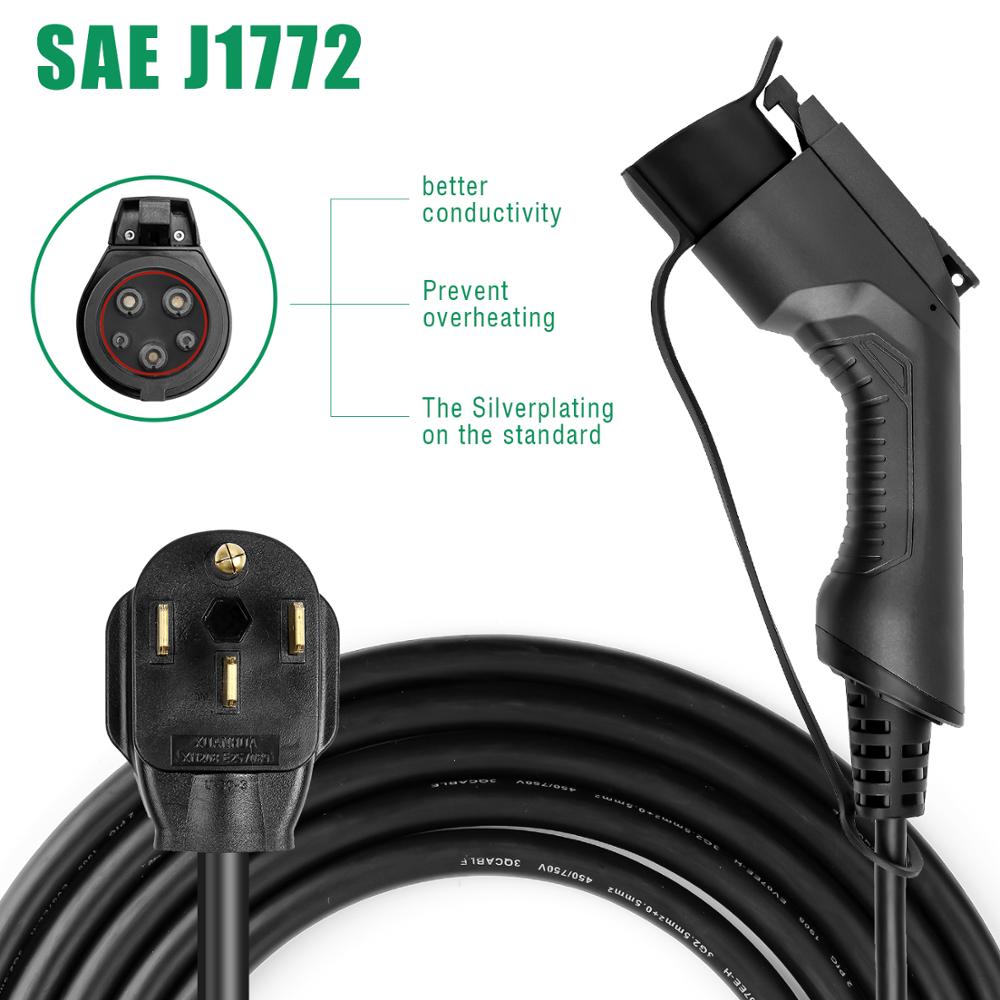
Level 2s can be portable, plug-in or hardwired, with different max charge rates and different operating features. Others expect you to wrap the cable around the box, or a long nail of your choosing, or to simply leave the cable coiled on the ground or floor. Pay attention to these details if you're not fond of clutter, trip hazards or excessive dust accumulation. Look for a charger that has a holster for its connector, or at least a cap to cover the connector when it's not in use.
Juicebox 40
If you’re so inclined, you can also view charge-rate graphs, charge time records, and even total energy output utilized for a given charge. It is worth noting that the ChargePoint vehicle database is not nearly as extensive or up-to-date as the Juice Box offerings, however. The real advantage of the Home Flex comes from its supreme cost tracking capability. We were able to select from dozens of different rate plans from the local utility company during testing, allowing us to maximize every dollar spent to top up the battery.
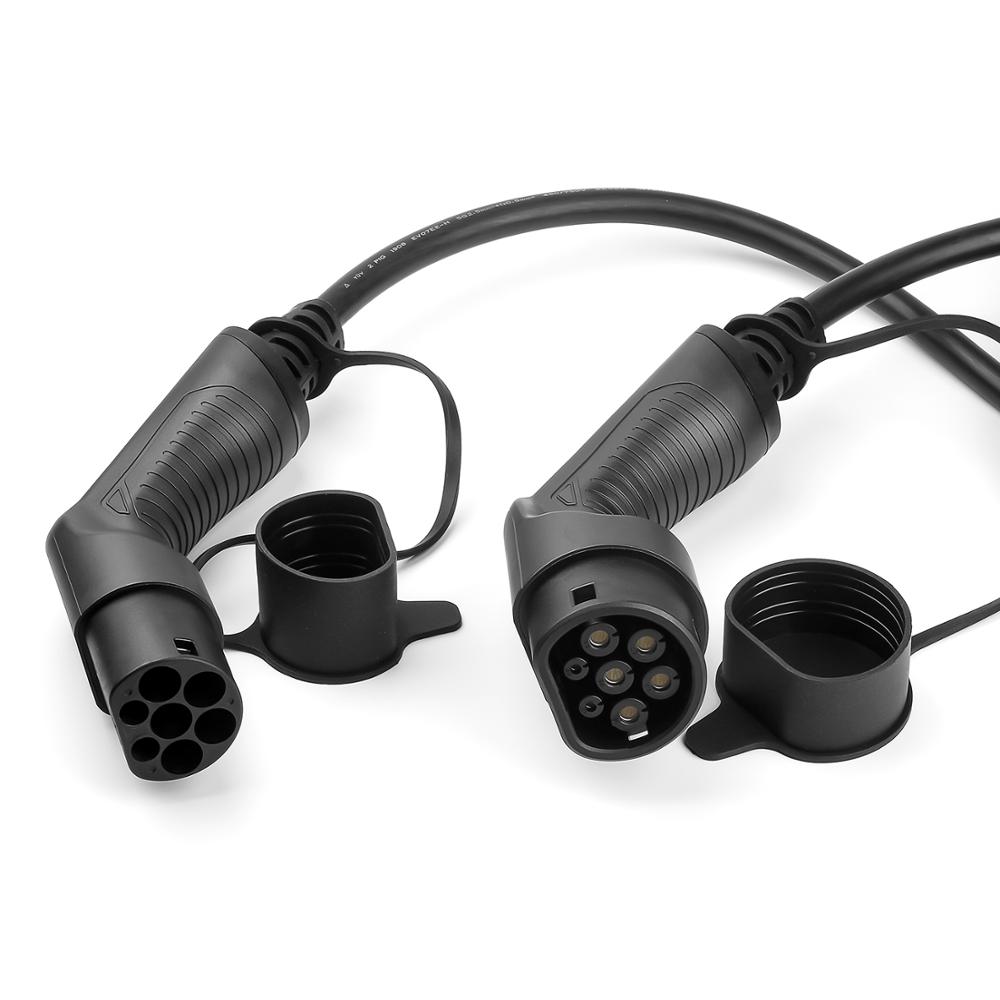
It's more than a potential source of back-up power because many experts see bi-directional charging as a means to even out electrical demand and make utilities more efficient as electric cars proliferate. The thinking is that cars can be charged during off-peak demand, as the world sleeps, and then supplement utility power when they sit during the day during high-demand, potential brown-out periods. In 2022, a 40-amp Level 2 charge station almost certainly delivers the best cost/benefit breakdown for your electric car, pickup or SUV, and it should deliver sufficient charge speed for years to come. Even if your current electric vehicle charges at a maximum rate less than 40 amps , there's nothing to worry about. The electric car controls how much electricity its battery absorbs when it's charged, so you can't damage the vehicle with a charger capable of a higher rate.
Home charging apps
The JuiceBox app allows you to track charging time and energy used, plus see a graph of the output over the entire charge. There are a number of ways EV ownership will be different than that of a vehicle with an internal-combustion engine, but a big one you need to figure out immediately is charging. To make the most of EV ownership, you need high-voltage charging equipment at home. "Forty amps seems to be the sweet spot," says Barry Woods, the director of vehicle innovation at ReVision Energy in Maine, and a board member for the trade group Plug In America. The EO Smart Home app allows you to choose when you want your vehicle to power up – a feature which effectively allows you to lock your machine, as it won’t dispense charge at any other time.
And once you’ve made the purchase, rest assured that you’ve spent your money well. There are many best outdoor home ev charger items accessible today for men and women seeking quality and reliability. Every best outdoor home ev charger model follows the same essential premise. In case you are facing a problem with descending the best option for your use, you can also follow our “Buying Guide” for the best outdoor home ev charger and choose the one accordingly. In order to meet more demand of customers,Our research team has developed a new generation of ev charger. And our cable’s whole length from wall plug to car plug is 26ft, the length from box to car plug is 21ft,which could meet the need of most customers.
Hardwire Vs Plug-in
The Easee One and its app are simple to use, making this the perfect entry into the market for someone who doesn't know all the technical ins and outs of EV chargers. And of course, while you generally don’t need permission from the local council if you’re a private homeowner, requirements can vary by country and region, so it’s worth checking beforehand. Alerts can be particularly valuable to let drivers know when there is a problem with the charging session. For instance, an app could notify drivers that charging stopped earlier than expected and allow them to react quickly to fix the problem.
Some customers felt the need to buy an extension cord separately to accommodate for the shorter cable. Dave VanderWerp has spent more than 20 years in the automotive industry, in varied roles from engineering to product consulting, and now leading Car and Driver's vehicle-testing efforts. It also had the thickest cables, making them the most resistant to hanging back on the included wall mount. When Ford Motor Co. unveiled its 2022 F-150 Lightning in May 2021, one of the truck's second-level features grabbed almost as much attention as Ford's first electric, full-size pickup did on its own. Forbes Wheels independently tests and reviews cars and automotive accessories. Plant a tree for every new charger it installs, to add to the 15,000 it planted in 2018.
A 40-amp Level 2 charger should cover the daily range requirements of more than 95% of drivers in the United States, including those in rural areas, based on reams of data collected over decades. Your next electric car could charge at a rate faster than 40 amps, but 40 amps will still replenish its deeply depleted batteries in an 8-to-10-hour time frame. Ten hours at 40 amps will add roughly 300 miles of range, depending on the vehicle. Level 2 delivers at least 16 amps and as many as 80, and the chargers tend to get more expensive as output amperage increases.

The higher the output of the charger, the faster you will be able to charge. Level 1 chargers run on 120-volt AC current, and can be plugged right into a typical wall outlet. Another point in Tesla’s favor is that Wall Connector is the easiest to set up. Scan a QR code on the side of the unit, connect to Wi-Fi, and then set the output limit through a web-based interface.
However, they also said the chargers weren’t the most stylish, and that the company’s customer service and the accompanying app could be better, too. On paper, the Grizzl-E Smart Level 2 charger is a rather promising offering. Able to pair with any charging app backed by Open Charge Point Protocol 1.6, this $539 unit is one of the most affordable smart chargers on the market today. That said, that tempting price tag does come with a few notable drawbacks. We struggled immensely to get our Grizzl-E Smart charger to connect to the ChargeLab app, a process that ultimately took months of fiddling to correct.
How long it takes to install an EV charger depends once again on the complexity of the installation. While it depends on a range of factors, installation time can range from under an hour for an easy and standard installation to multiple hours for more complex cases. Still, an expert installer’s opinion is key to understanding if your electrical circuit and meter box are capable of that and if they can withstand the electricity output your EV’s charging sessions will require. One of the main aspects that can influence how expensive your Ev home charger’s installation is is whether your meter box needs to be upgraded. Indeed, EV charging is highly energy-intensive, and many older meter boxes may not be equipped to handle the loads required to power a home EV charger.
AC electricity is what your house is wired for, therefore Level 1 and 2 charging doesn’t require any special fitment to your home. If you couldn’t tell by the name, the Grizzl-E charger is built for rugged use, with a beefy aluminum enclosure and comical decal showing a small off-road vehicle running over it. Output ranges from an adjustable 40 amps to 12 amps, and the beefy cabling is an adequate 24 feet long. It’s just like plugging any appliance into an outlet in the wall to charge. Isn’t a priority, pick a home EV charger with plenty of mobile connectivity and safety features. However, you won’t want to have to deal with hour after hour of charging.
When you charge at home, it can take hours to charge up your vehicle, whereas, at a charging station, it could take only a few minutes to charge. On average, it costs around $0.30 to $0.60 kWh to charge your electric vehicle; therefore, a smaller vehicle could cost around $11 to $25 to charge fully. The right electric car for you could be the cheapest one with all-wheel drive -- in that case, go for the Subaru Solterra.




No comments:
Post a Comment